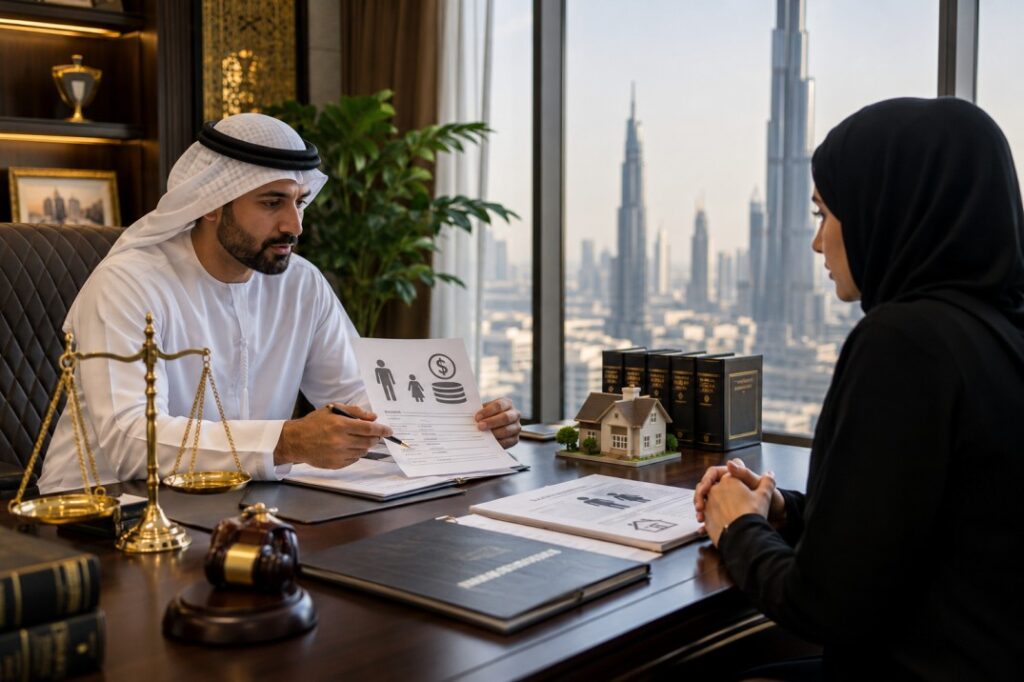

Setting up a company in a Dubai free zone can be an attractive option for entrepreneurs, investors, consultants, traders, and international businesses looking to establish a presence in the UAE. Free zones offer specialised business environments, streamlined incorporation procedures, and, subject to applicable rules, opportunities for 100% foreign ownership.
However, careful planning is required to choose the right jurisdiction, business activity, legal structure, licence, and office solution. In 2026, businesses must also consider UAE corporate tax, compliance obligations and the rules governing free zone companies that want to access the mainland market.
This guide explains how to set up a company in Dubai Free Zone 2026, from selecting a free zone to obtaining your licence and opening a corporate bank account.
Table of Contents
- Free Zone vs Mainland vs Offshore
- Top Dubai Free Zones
- Step-by-Step Company Registration
- Required Documents
- Cost of Free Zone Company Setup
- Benefits of a Dubai Free Zone Company
- Corporate Compliance
- How AWA Corporate Lawyers Can Help
- FAQs
Free Zone vs. Mainland vs. Offshore — Which Should You Choose?
Before starting a Dubai free zone company setup, you should determine which UAE jurisdiction matches your commercial objectives.
Free Zone Company
A free zone company is established within a designated economic zone and is regulated by the relevant free zone authority. Free zones commonly provide foreign investors with full ownership and flexible business setup options.
A free zone structure can be particularly suitable for companies focused on international trade, consulting, technology, professional services, logistics and other approved activities.
Mainland Company
A mainland company can generally conduct business throughout the UAE, subject to its licence and applicable regulations. If your business model depends heavily on selling directly to UAE mainland customers, a mainland structure may be more appropriate.
Offshore Company
An offshore structure is generally used for specific international holding, investment or asset-structuring purposes. It is different from a conventional operating free zone company and may not be suitable for businesses requiring a physical UAE operating presence.
The right choice depends on your business activity, customers, ownership structure, office requirements and long-term plans.
Top Dubai Free Zones — Which Is Right for Your Business?
Dubai has several well-known free zones, and each has different licensing categories, regulations and commercial advantages.
DMCC — Dubai Multi Commodities Centre
DMCC is one of Dubai’s major business hubs, with companies operating across trading, commodities, technology and professional services. DMCC currently reports more than 26,000 registered companies and offers a digital company formation process.
DMCC setup may be considered by entrepreneurs seeking a recognised business hub with a broad range of permitted activities.
JAFZA — Jebel Ali Free Zone
JAFZA company formation can be relevant to businesses involved in trading, logistics, manufacturing, warehousing and international commerce, particularly because of its strategic relationship with the Jebel Ali port and logistics ecosystem.
DIFC — Dubai International Financial Centre
DIFC is a specialised financial centre with its own legal and regulatory frameworks. It is particularly relevant to financial services, investment, fintech and other regulated activities. Businesses should confirm whether their proposed activity requires specific regulatory approval.
IFZA — International Free Zone Authority
IFZA offers a range of company incorporation and licensing solutions for entrepreneurs and SMEs. Its setup process includes consultation, documentation, approval, corporate documents and licence issuance.
DAFZA, TECOM and Dubai Airport Free Zone
Other specialised Dubai jurisdictions may be appropriate depending on your sector. DAFZA can be relevant to businesses requiring proximity to Dubai International Airport, while TECOM’s ecosystem includes sectors such as technology, media, design and education.
The best free zone is therefore not necessarily the cheapest one. It should be the one that matches your business activity, licensing requirements and future expansion plans.
Step-by-Step: How to Register a Free Zone Company in Dubai
Step 1: Choose Business Activity & Free Zone
The first step is identifying the exact business activity you intend to conduct.
Your activity affects:
- The type of licence required
- Free zone eligibility
- Regulatory approvals
- Office requirements
- Potential tax treatment
- Permitted commercial activities
Selecting a free zone before confirming the activity can create unnecessary delays.
Step 2: Choose Company Structure — FZE, FZCO or Branch
Your legal structure depends on the number and type of shareholders and whether an existing company is establishing a UAE presence.
Common structures can include:
- Free Zone Establishment (FZE)
- Free Zone Company (FZCO/FZ-LLC)
- Branch of an existing company
The exact terminology and eligibility can vary between free zones. For example, DMCC currently supports individual, subsidiary, and branch formation routes.
Step 3: Reserve Company Name
The proposed business name must comply with the applicable naming rules and should not conflict with existing registered names or restricted terms.
The authority may review the proposed name before approving the incorporation application.
Step 4: Submit Application & Documents
Once the activity, structure and name have been selected, the incorporation application and supporting documents can be submitted.
Typical documents may include:
- Passport copies
- Passport photographs
- Proof of residential address
- Emirates ID and UAE visa, where applicable
- Proposed company name
- Business activity information
- Shareholding details
- Memorandum and Articles of Association
- Corporate documents for corporate shareholders
- Board resolutions where required
- Ultimate Beneficial Owner information
The exact requirements depend on the free zone and company structure. DMCC, for example, lists identification, ownership, business information and UBO documentation among its requirements.
Step 5: Obtain Licence & Office Space
After approval and payment of the relevant fees, the free zone authority can issue the company’s incorporation documents and business licence.
Office requirements differ between jurisdictions and licence categories. Some free zones offer flexible office solutions, while certain activities may require dedicated physical premises.
A valid free zone licence in Dubai is essential for conducting the approved business activity.
Step 6: Open a Corporate Bank Account
After incorporation, the company can begin the process of opening a corporate bank account.
Banks generally conduct their own compliance and due diligence checks. They may request:
- Company incorporation documents
- Trade licence
- Shareholder information
- Business plan
- Proof of business activity
- Source-of-funds information
- Contracts or invoices
- Personal identification documents
Company formation does not automatically guarantee bank account approval.
Required Documents for Free Zone Company Setup in Dubai
Although requirements differ between authorities, entrepreneurs should generally prepare identification and ownership documents before beginning the application.
For individual shareholders, passport and proof-of-address documents are commonly required. Corporate shareholders may need incorporation certificates, constitutional documents, board resolutions and other supporting records.
UBO information is also an important compliance requirement. DMCC, for example, requires companies to maintain Ultimate Beneficial Owner information in accordance with applicable UAE AML/CFT requirements.
If your proposed business is regulated, additional approvals may also be required.
Cost of Setting Up a Company in Dubai Free Zone 2026
There is no single fixed price for company registration in Dubai because setup costs depend on several factors.
The overall budget may include:
- Initial approval fees
- Trade name registration
- Licence fees
- Incorporation fees
- Office or flexi-desk costs
- Visa and immigration charges
- Establishment card fees
- Regulatory approvals
- Corporate banking and compliance costs
- Accounting and tax compliance
For example, DMCC currently advertises business setup packages starting from AED 35,484, but the actual cost for a specific business depends on its requirements and selected package.
Therefore, entrepreneurs should request a detailed quotation instead of relying solely on advertised starting prices.
Benefits of Dubai Free Zone Company
100% Foreign Ownership
Many UAE free zones allow foreign investors to own their companies fully, providing greater control over ownership and management.
International Business
Free zones can be particularly useful for businesses serving international customers and conducting import, export or re-export activities.
Repatriation of Profits
Free zone structures can provide opportunities for repatriation of capital and profits, subject to applicable laws, banking requirements and tax rules.
Corporate Tax Considerations
One important point for LLC Dubai 2026 and free zone entrepreneurs is that free zone companies are not automatically exempt from UAE Corporate Tax.
A free zone person is within the UAE corporate tax regime. However, a company that qualifies as a Qualifying Free Zone Person (QFZP) may benefit from a 0% corporate tax rate on qualifying income, while taxable income that does not qualify may be subject to the applicable 9% rate.
QFZP status has specific conditions, including adequate substance, qualifying income and compliance with transfer-pricing requirements.
The 2025 Ministry of Finance updates also introduced changes concerning qualifying and excluded activities, making professional tax advice particularly important for businesses established in 2026.
Can a Free Zone Company Do Business on the UAE Mainland?
A free zone company can operate within its free zone and internationally, but direct access to the UAE mainland market is regulated.
According to the UAE government’s current guidance, a free zone company may need a licensed mainland distributor or an appropriate mainland branch/company or other required approvals to conduct certain mainland activities.
Therefore, if your business model depends on direct mainland sales, discuss the structure with a corporate lawyer before incorporation.
Corporate Compliance After Setting Up in UAE
Company formation is only the beginning.
After incorporation, business owners may need to manage:
- Licence renewals
- Corporate tax registration and filing
- VAT registration where applicable
- Accounting and bookkeeping
- Audited financial statements where required
- UBO records
- AML/CFT compliance
- Employee and visa requirements
- Lease and office compliance
- Regulatory approvals
- Corporate documents and resolutions
In 2026, UAE tax compliance is particularly important. The Federal Tax Authority’s current legislation database includes new 2026 decisions concerning corporate tax registration and compliance for qualifying free zone persons.
AWA Corporate Lawyers — Full Setup Support
Choosing the correct structure at the beginning can prevent expensive restructuring later.
AWA can assist entrepreneurs and businesses with corporate legal guidance relating to Dubai free zone company setup, including jurisdiction selection, corporate structuring, documentation, regulatory considerations, shareholder arrangements and ongoing compliance.
If you are comparing a free zone structure with an LLC Dubai 2026 or mainland option, professional legal advice can help you understand the commercial and legal consequences before making a decision.
You can also explore our services for corporate lawyers in Dubai and business lawyers in Dubai for broader business and corporate legal support.
Set Up Your Dubai Free Zone Company with AWA Legal Support
📍 Location: SPC, Zahia Area, Sheikh Mohammed Bin Zayed Rd, Sharjah, United Arab Emirates
📞 Phone: +971 50 961 6134
FAQs — how to set up a company in Dubai
Can a free zone company do business in the UAE mainland?
Yes, but mainland activities are subject to applicable UAE laws, licensing requirements and approvals. Depending on the activity, a free zone company may need a licensed mainland distributor, branch, company or other permitted arrangement.
How long does a free zone company setup take in Dubai?
The timeframe varies according to the free zone, business activity, documentation and required approvals. DMCC states that its process typically takes around 10 working days when documentation and approvals are complete.
Is a Dubai free zone company 100% foreign-owned?
Many Dubai free zones allow 100% foreign ownership, although the exact structure and activity requirements should be confirmed with the relevant authority.
Does a free zone company pay corporate tax in the UAE?
Free zone companies are within the UAE corporate tax regime. A qualifying free zone person may receive a 0% rate on qualifying income, while other taxable income can be subject to the applicable corporate tax rate.
What documents are needed to establish a free zone company?
Common documents include passports, proof of address, shareholder information, company formation documents and UBO information. Additional documents may be required depending on the shareholders, activity and free zone.
Should I choose DMCC, JAFZA, DIFC or IFZA?
There is no universal best free zone. The right choice depends on your business activity, target customers, office requirements, regulatory needs, ownership structure and expansion plans.
Final Thoughts
Learning how to set up a company in Dubai Free Zone 2026 is only the first step. Choosing the correct jurisdiction, activity and legal structure can significantly affect licensing, taxation, operations and future expansion.
If you are planning a Dubai free zone company setup, obtain professional advice before submitting your incorporation application. A properly structured company can give you a stronger foundation for operating and expanding your business in the UAE.
Speak with AWA Corporate Lawyers today for professional guidance on company formation, corporate structuring and legal compliance in the UAE.